Barrier-Free Furniture: Blending Accessibility & Style
September 15, 2025
When most people think of barrier-free design, they picture remodeled bathrooms with roll-in showers or kitchens with lowered countertops and roll-under sinks. While those hardscapes are absolutely essential, there’s another piece of the puzzle that is often overlooked: barrier-free furniture.
The sofas you lounge on, the chairs you sit in, the tables where you gather, and the beds where you recharge—each one plays a huge role in how accessible, safe, and stylish your home truly feels. At Blue Copper Design, we believe barrier-free design doesn’t stop with construction—it extends into the furniture and accessories that complete your daily life.
Here’s our guide to choosing barrier-free furniture that supports your independence while still reflecting your personal style.
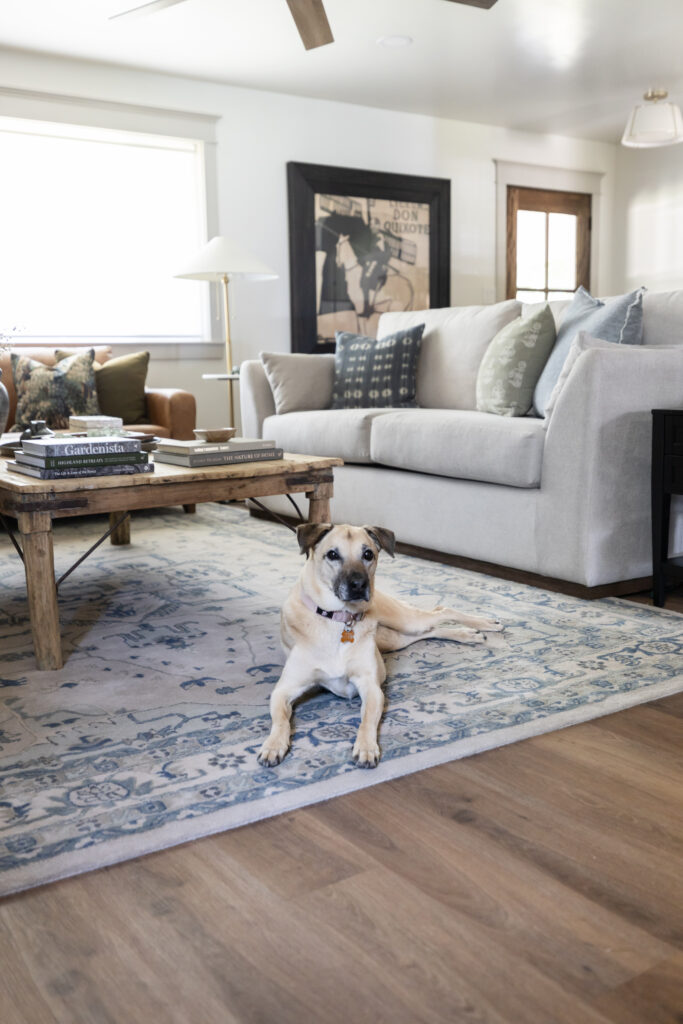
Why Barrier-Free Furniture Matters
A truly inclusive home isn’t just about compliance—it’s about comfort, dignity, and independence. Furniture choices can either empower someone to navigate their home with ease or create frustrating barriers.
For wheelchair users, furniture transfer height is the difference between easily moving from chair to sofa—or not being able to transfer at all. For those using walkers or canes, stable seating and proper table access make daily tasks safer and more comfortable. And for aging in place, durable and supportive furniture ensures longevity in both design and functionality.
Barrier-free design is about making sure every body feels at home.
Choosing the Right Seat Height
Transfer height is one of the most important considerations in barrier-free furniture design. Whether you’re choosing a sofa, chair, or bed, the right seat height determines if someone can safely and independently transfer.
- Standard seat height: Around 18 inches from the floor, which works well for many people.
- Manual wheelchair users: Often prefer closer to 16 inches for smoother transfers.
- Power chair users: May benefit from 20 inches for better alignment.
- Walker or cane users: Generally do best in the 17–19 inch range.
Pro tip: Don’t forget cushion density. A firmer cushion will keep its height, while a softer cushion will sink and reduce transfer stability.
Sturdiness and Durability
Accessible furniture needs to hold up to more than just casual use. Transfers, push-offs, and frequent adjustments put extra strain on frames and upholstery.
Look for:
- Solid hardwood frames that can withstand decades of use.
- Reupholster-ready designs—a quality sofa frame can last 20–30 years if it’s built to be reupholstered.
- High-performance fabrics that resist wear, spills, and frequent cleaning.
Think of furniture as an investment in both safety and style. A well-built sofa or chair is worth far more in the long run than a trendy piece that won’t last.
Accessible Table Design
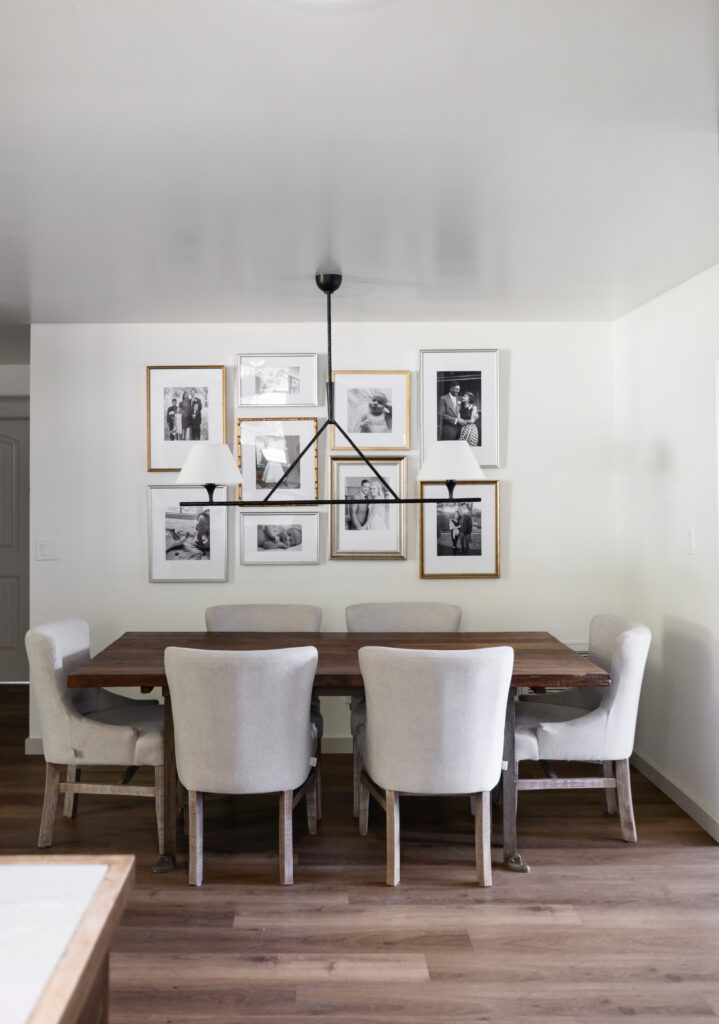
Tables are the heart of the home—where meals, conversations, homework sessions, and celebrations happen. An accessible table ensures everyone feels included.
Height
- Standard dining tables are 30-32 inches high, which tends to work best for universal access.
- Counter height tables; 34-36 inches high can be very useful for power chair users who sit higher.
- Be cautious of bar-height tables; 40-45 inches high as these can exclude wheelchair users.
Apron Depth
- Look for aprons less than 4 inches deep. Anything larger may block knees and prevent rolling under.
Leg Placement
- Pedestal bases: Great for wheelchair access—no corner legs in the way.
- Trestle bases: Provide support but may interfere with multiple seats along one side.
- Leg supports: Work if placed far enough apart to avoid interference with wheels or mobility devices.
If you’re transferring to dining chairs, choose upholstered and padded seats for added comfort during longer meals.
Beds and Nightstands
The bedroom should be a sanctuary of rest, not a daily struggle.
Bed Heights
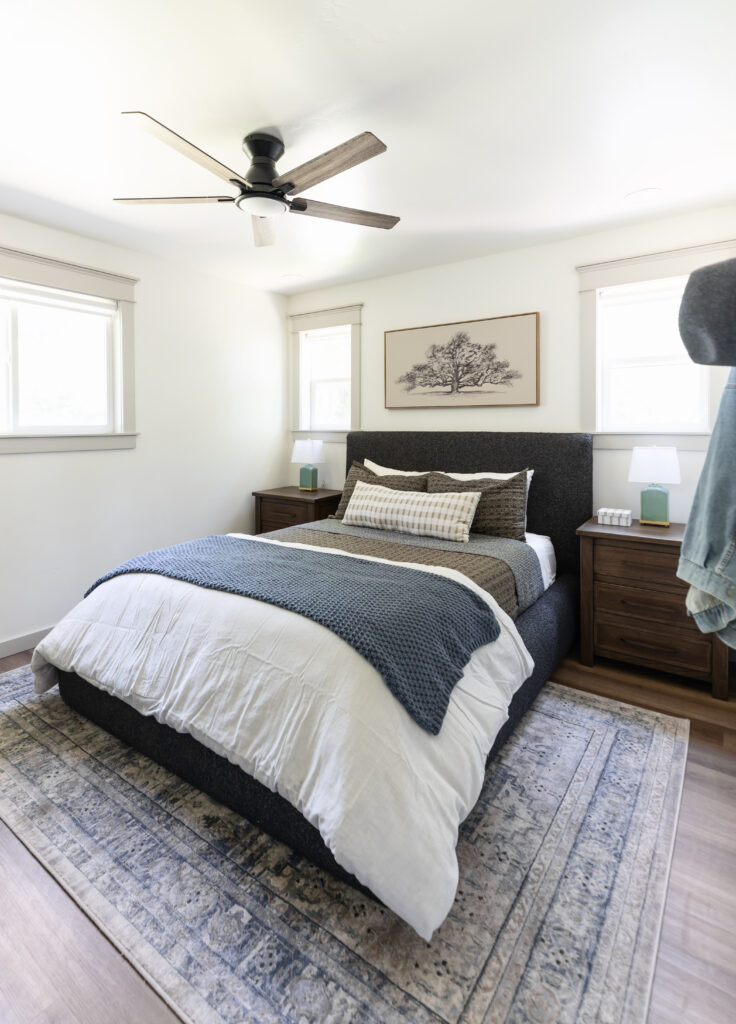
Getting the right bed height can be tricky because it’s a combination of leg height, frame height, and mattress thickness. Too high, and transfers become unsafe. Too low, and standing up may be difficult. Our sweet spot seems to be between 18-22 inches high for the total bed height.
- Pro tip: If your dream bed is just a few inches too tall, solid wood legs can sometimes be trimmed down by a skilled carpenter. This custom adjustment allows you to keep your style while achieving your perfect transfer height.
Nightstands
Nightstands should match your bed height so that reaching for items feels natural and safe. Consider:
- Storage needs: Do you want drawers for books, glasses, or medication? Or do you prefer a minimal side table?
- Surface space: Ensure there’s room for essentials like a lamp, phone, or water glass.
- Accessibility: Pull handles or open shelving may be easier than small knobs for those with limited dexterity.
Accessible Storage Solutions
Storage furniture can double as both functional and stylish design elements.
- Low storage (sideboards, credenzas, buffets): Great for wheelchair users since they avoid bending or stretching.
- Tall storage (bookcases, armoires): Better for those who prefer not to reach low.
- Organization systems: Bins, baskets, and labels make storage accessible and clutter-free. Choose woven or fabric containers for open shelving to blend seamlessly with your décor.
Storage is often where accessibility and style meet so you can stay organized while creating a visually pleasing space.
Balancing Accessibility and Style
There’s a myth that accessible furniture has to look clinical or utilitarian. That couldn’t be further from the truth. At Blue Copper Design, we specialize in blending brave aesthetics with barrier-free design.
- Choose quality materials: Leather, durable fabrics, and natural woods elevate the look.
- Play with textures and colors: Accessibility doesn’t mean bland, your furniture can still reflect your personality.
- Layer accessories: Throw pillows, blankets, and decorative trays can soften functional pieces while keeping them stylish.
Barrier-free furniture should feel intentional, beautiful, and empowering.
Final Thoughts: Designing for Every Body
Barrier-free furniture design is about more than seat heights and table aprons, it’s about creating a home that supports your independence, safety, and joy. The right sofa, the right bed, the right table, all of these choices add up to a space where you can truly live beautifully.
At Blue Copper Design, we believe designing for accessibility is designing for every body. Whether you’re living with a disability, planning to age in place, or simply want a more inclusive home, furniture is an essential part of the conversation.
Your home should be a reflection of who you are and a place where you can thrive.
Comments Off on Barrier-Free Furniture: Blending Accessibility & Style