Spinal Cord Injury Awareness Month
September 2, 2025
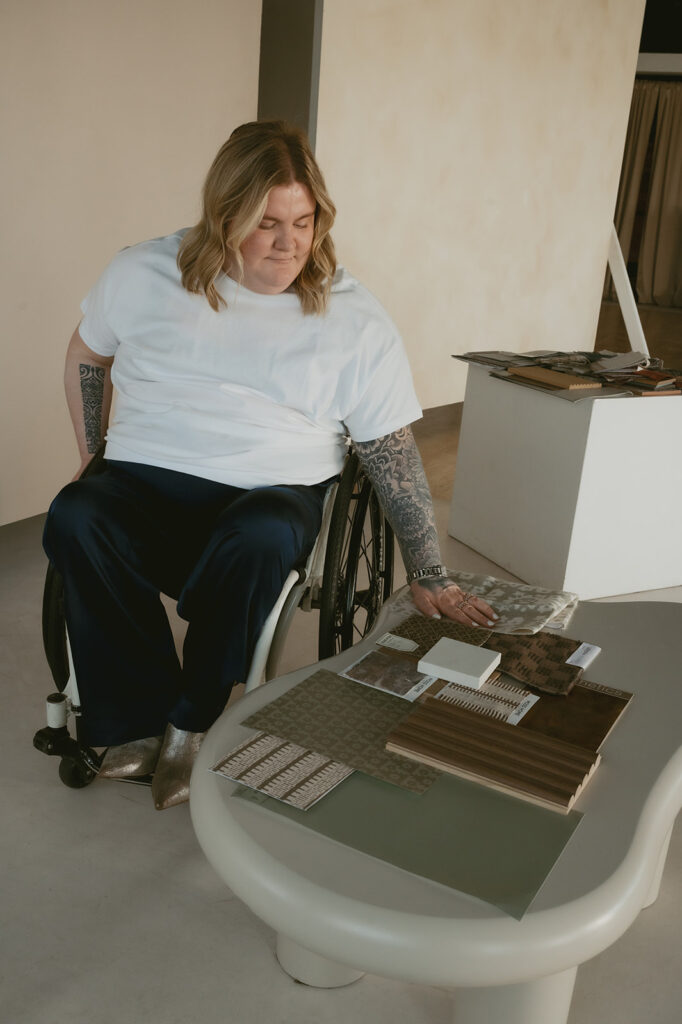
Every September, we recognize Spinal Cord Injury Awareness Month, a time to shed light on the realities of living with a spinal cord injury (SCI), to educate communities, and to advocate for accessibility and inclusion. For me, this awareness month is deeply personal. As a designer who lives with a spinal cord injury, I see every day how the built environment can either empower or limit people like me.
Spinal cord injuries affect hundreds of thousands of people in the United States alone, and yet the conversation often stops at wheelchairs. Paralysis impacts so much more than walking, it affects every part of daily living, from getting dressed in the morning, to preparing meals, to feeling safe in your own shower. This is why awareness matters, and why accessible, barrier-free design should be part of the conversation every September and beyond.
In this blog, I’ll walk you through what Spinal Cord Injury Awareness Month is all about, share some key facts, and highlight the role thoughtful design plays in independence and quality of life.
What is Spinal Cord Injury Awareness Month?
Spinal Cord Injury Awareness Month was established to educate the public about the impact of spinal cord injuries and to advocate for prevention, research, and accessibility. Each September, organizations, advocates, and individuals come together to highlight the challenges people face and the opportunities we have as a society to create more inclusive environments.
The goals of this awareness month include:
- Educating the public about the causes and realities of SCI.
- Highlighting prevention strategies for accidents that can result in SCI, such as car accidents, sports injuries, and falls.
- Advocating for research and medical advances to improve treatment and recovery outcomes.
- Encouraging accessibility and inclusion in housing, employment, and community spaces.
For people living with spinal cord injuries, this month isn’t just about awareness—it’s about visibility. It’s about showing that disability is not the end of the story, but a different path forward, one that deserves support and respect.
Key Facts About Spinal Cord Injuries
To understand the importance of awareness, let’s look at some facts:
- In the U.S., approximately 18,000 new spinal cord injuries occur every year.
- Vehicle crashes are the leading cause, followed by falls, acts of violence, and sports/recreation injuries.
- Around 300,000 people in the U.S. live with a spinal cord injury.
- The level and severity of injury affect function differently. Some people may have limited mobility but retain sensation, while others may experience complete paralysis below the injury site.
- Spinal cord injuries impact more than mobility—they also affect bladder and bowel control, circulation, skin health, breathing, and more.
These realities mean that independence is tied closely to accessibility. And that’s where design comes in.
Why Design Matters for People with Spinal Cord Injuries
Design is often thought of as an aesthetic choice but for people with spinal cord injuries, design is survival, comfort, and independence. The details of a space can determine whether a person can use it without assistance or whether they have to rely on someone else.
Here are just a few examples:
- Bathroom Layouts: A curbless shower with strategically placed grab bars allows a wheelchair user to bathe safely and independently. Without it, something as personal as showering may require assistance.
- Clear Pathways: Hallways and doorways wide enough for wheelchair access (at least 36 inches) ensure mobility throughout the home without feeling cramped or excluded from certain rooms.
- Accessible Controls: Light switches, thermostats, and outlets placed at reachable heights allow for independence in controlling the environment.
Barrier-free design is not about meeting minimum ADA requirements, it’s about going beyond compliance to create homes and spaces that empower every body.
Living with a Spinal Cord Injury: More Than Just Mobility
Paralysis changes how a person interacts with the world. But beyond the physical aspects, there’s also an emotional and social layer. People with SCIs often face stigma, assumptions, or environments that unintentionally exclude them.
Spinal Cord Injury Awareness Month is a chance to shift the narrative. Instead of focusing solely on what someone “can’t do,” it’s about celebrating resilience, innovation, and adaptation. And when our built environments are thoughtfully designed, they become a source of dignity rather than frustration.
As I often tell my clients: if I can reach it, I can do it. That’s independence in action.
How to Support Spinal Cord Injury Awareness Month
If you want to support Spinal Cord Injury Awareness Month this September, here are some meaningful ways to get involved:
- Educate Yourself and Others
Learn about spinal cord injuries and share that knowledge with your family, friends, and workplace. Awareness starts with understanding. - Advocate for Accessibility
Look around your community: are businesses and public spaces welcoming to people with mobility challenges? Speak up when they’re not. - Support Research and Nonprofits
Organizations like the Christopher & Dana Reeve Foundation, Project 34 and United Spinal Association provide critical resources, advocacy, and research funding. Donations make a real difference. - Listen to Disabled Voices
Follow advocates, designers, and individuals living with SCI on social media. Hearing stories directly from the community helps break down stereotypes and builds empathy. - Invest in Inclusive Design
If you’re a homeowner, business owner, or builder, consider incorporating barrier-free design principles into your projects. Accessibility is not a trend, it’s a necessity.
Blue Copper Design’s Commitment to Accessibility
At Blue Copper Design, accessibility is more than a box to check, it’s the foundation of everything we do. As someone living with a spinal cord injury, I understand firsthand the frustrations of poorly designed spaces and the freedom of a thoughtfully designed one.
We specialize in creating interiors that are both stylish and accessible, proving that function and beauty can coexist. From roll-under sinks to curbless showers to custom furniture heights, we tailor every design to meet the needs of real people. Our mission is simple: we design brave spaces so every body can feel at home.
Moving Forward Beyond September
Spinal Cord Injury Awareness Month is an important reminder, but awareness shouldn’t end when the month does. For those of us living with spinal cord injuries, accessibility is a 365-day conversation.
This September, take a moment to reflect on how your spaces—at home, work, and in the community—welcome or exclude people with disabilities. Then take action. Because when we design for inclusion, we don’t just create accessible homes, we create a more compassionate world.
Be the first to comment