Designers & Contractors: Your Project Needs Both for Success
March 24, 2025
When embarking on a construction or renovation project, homeowners often debate whether they need both a designer and a contractor. Some may believe that a contractor alone can execute their vision, while others might think an interior designer is sufficient to handle all aspects of a project. However, the truth is that designers and contractors each bring unique expertise to the table. When they work together, they create a seamless, efficient, and aesthetically superior outcome. In this blog post, we’ll explore why hiring a designer in conjunction with a contractor is not just beneficial—it’s essential.
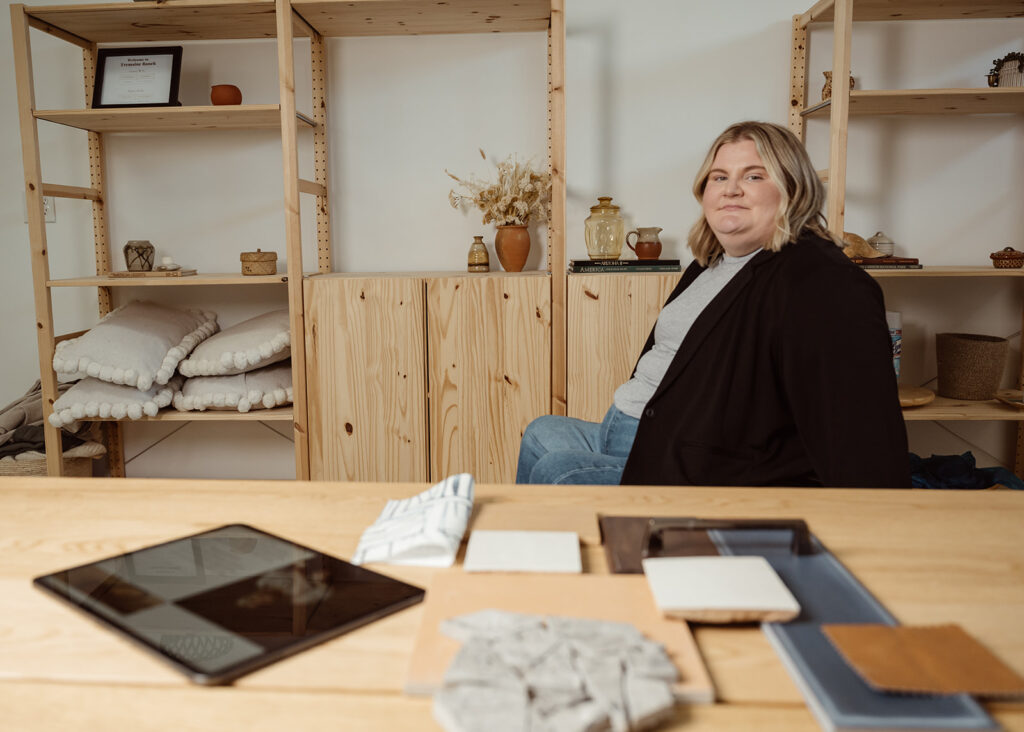
Understanding the Roles: Designer vs. Contractor
Before diving into why these two professionals need to collaborate, let’s clarify their distinct roles:
- Interior Designers: Designers focus on aesthetics, functionality, and usability. We conceptualize spaces, choose materials, plan layouts, and ensure that the final environment meets the client’s lifestyle or business needs. Our expertise extends to accessibility, color theory, furniture and finish selection, and creating cohesive spaces.
- Contractors: Contractors handle the execution of a project. They manage the building process, including permits, structural work, plumbing, electrical, and code compliance. They bring the designs to life, ensuring the structural integrity and safety of a space.
Each professional excels in their domain, but when they work together, the result is a well-balanced blend of form and function.
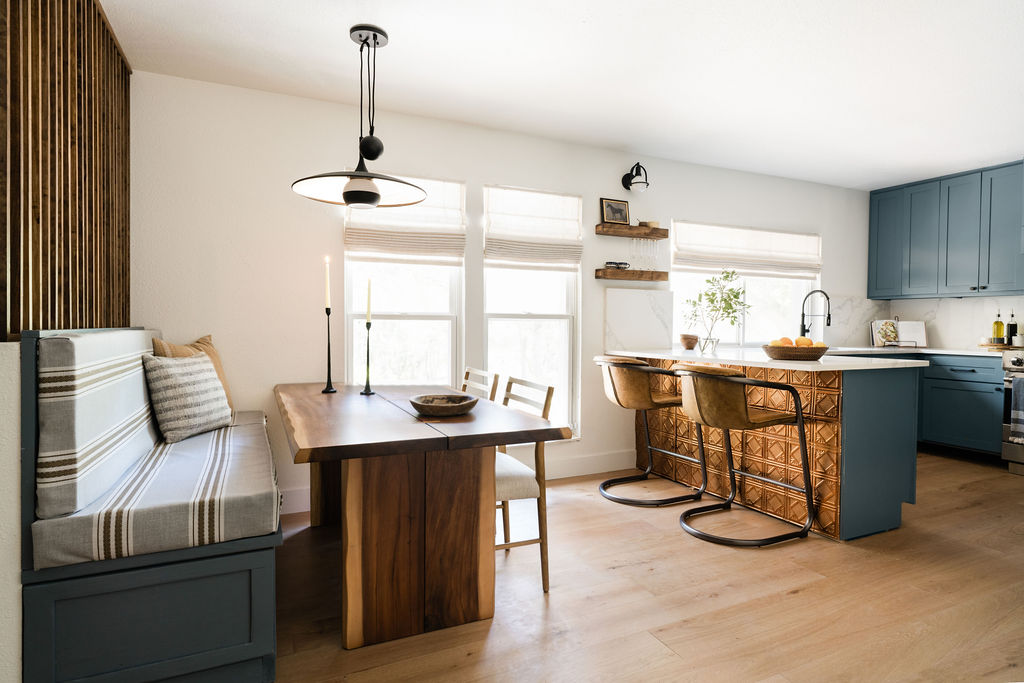
Why Designers and Contractors Must Collaborate
1. Bridging the Gap Between Vision and Reality
Many homeowners have a vision for their space but lack the expertise to bring it to life effectively. A designer translates these ideas into tangible plans that a contractor can execute. Without a designer, a contractor may build something functional, but it might lack cohesiveness, style, or the best use of space.
Conversely, without a contractor, a designer’s vision may not be feasible due to budget constraints, building codes, or structural limitations. For example, a designer might envision an open-concept kitchen with a large island, only to find out from the contractor that a load-bearing wall prevents the layout from working as planned. In such cases, the contractor and designer can collaborate on alternative solutions, such as incorporating structural beams or reconfiguring the space to maintain the design’s integrity. A designer-contractor duo ensures that creative ideas align with real-world execution.
2. Enhancing Project Efficiency
One of the biggest challenges in any renovation or construction project is maintaining efficiency. A well-coordinated team of a designer and a contractor reduces miscommunication, eliminates costly mistakes, and streamlines the workflow.
- Designers provide detailed plans, which help contractors execute work accurately without frequent changes.
- Contractors offer insights on construction logistics and materials, allowing designers to make informed choices that don’t delay the project.
- The collaboration helps identify potential problems early, preventing expensive rework or design compromises.
3. Avoiding Costly Mistakes and Revisions
Without proper design planning, clients may find themselves making last-minute decisions that can lead to expensive mistakes. For example:
- Selecting finishes that don’t work well together.
- Buying furniture or fixtures that are the wrong scale for the space.
- Not accounting for accessibility needs or future-proofing the space.
- Overlooking building codes and safety requirements.
A designer ensures that every detail is accounted for before construction begins, minimizing unnecessary changes and additional costs. Contractors, on the other hand, ensure that the designs are realistic and within budget constraints.
4. Ensuring a Cohesive Design
A well-designed space goes beyond structure; it requires intentionality and harmony. A contractor might build a perfectly functional kitchen, but without a designer, it could lack a sense of flow, proper lighting, or the right material choices for durability and aesthetics.
Designers take the entire space into account, ensuring:
- Proper material selection that matches the intended use.
- A layout that maximizes efficiency and visual appeal.
- Finishes and color schemes that complement each other and reflect the client’s personality.
5. Addressing Accessibility and Future-Proofing
Design isn’t just about making things look good—it’s about making spaces work for people of all abilities. We specialize in Barrier-Free and Accessible Design to ensure that spaces accommodate everyone, from young children to older adults and individuals with mobility challenges.
Contractors, while knowledgeable in building codes, may not have expertise in creating spaces that truly support Barrier Free Design. Designers ensure that door widths, counter heights, flooring materials, and other elements meet accessibility needs without compromising aesthetics.
6. Providing a Better Client Experience
Managing a renovation or new build is overwhelming. Clients juggling work, family, and other responsibilities can struggle with the many decisions required throughout the project. A designer takes on much of this burden by sourcing materials, managing aesthetics, and coordinating with the contractor.
With a strong designer-contractor relationship, clients can trust that their project is in expert hands, leading to a smoother process and a more enjoyable experience.
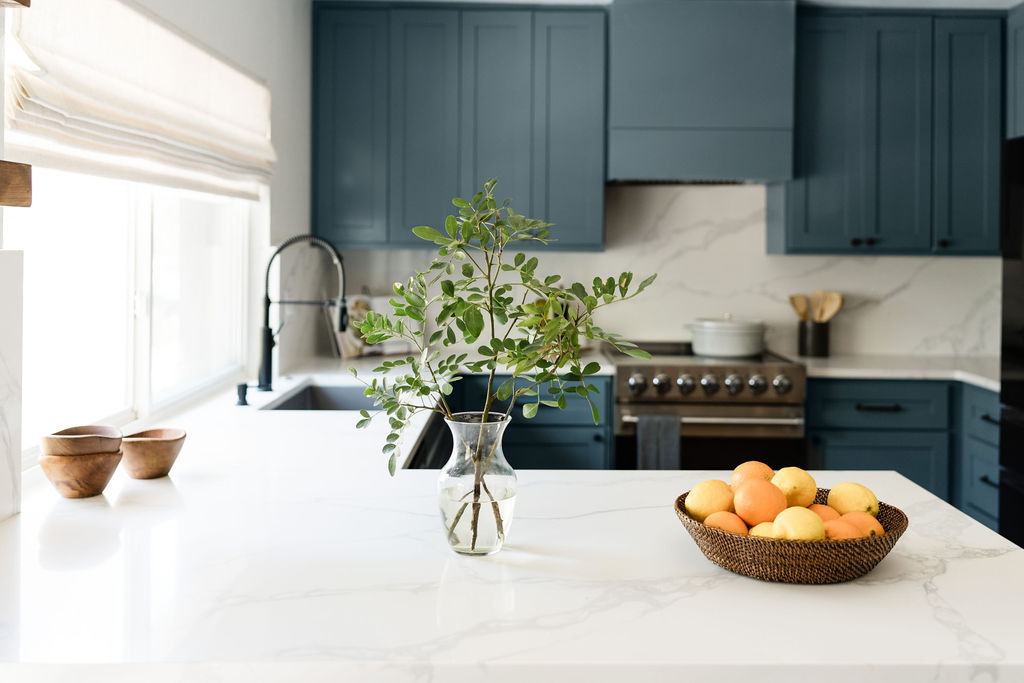
Real-World Examples of Designer-Contractor Collaboration
Imagine a homeowner who wants to renovate their master bathroom. Without a designer, they might pick out tiles and fixtures they love, only to find that the layout doesn’t work well for their daily routine. Without a contractor, they might dream up a stunning spa-like oasis, only to realize later that plumbing and electrical work require major adjustments.
With both a designer and a contractor:
- The designer ensures that the space is visually stunning and functional.
- The contractor ensures that the project is executed correctly, safely, and on budget.
- Together, they troubleshoot issues, adjust plans if needed, and ensure a successful outcome.
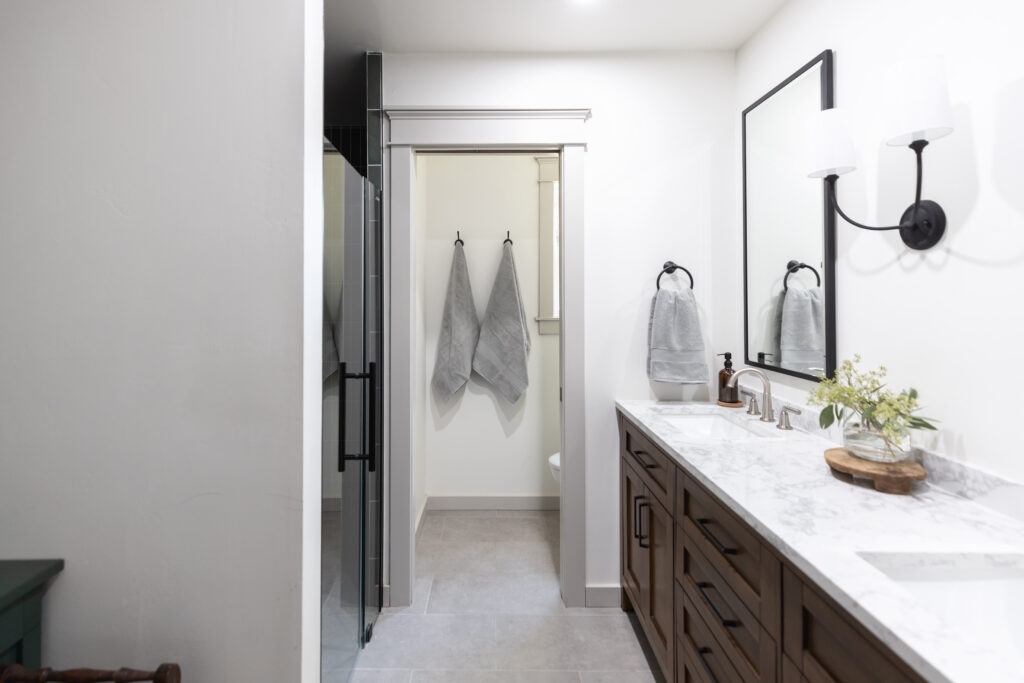
A successful renovation or new build is about more than just construction—it’s about intentionality, aesthetics, and functionality. While contractors bring expertise in execution and compliance, designers ensure that every element is purposeful and cohesive. When these two professionals collaborate, projects run smoother, avoid costly errors, and result in a space that is both beautiful and practical.
For homeowners and property investors, hiring a designer in conjunction with a contractor is an investment in quality, efficiency, and long-term value. A designer ensures that every element is intentionally curated for both aesthetics and functionality, while a contractor brings the technical expertise to make it a reality. Their collaboration leads to fewer mistakes, a smoother workflow, and a final product that meets both practical needs and design aspirations. If you’re planning a project, don’t settle for just one—bring both on board and experience the difference a true partnership can make.
Comments Off on Designers & Contractors: Your Project Needs Both for Success