Accessible Door Solutions for Every Body
July 1, 2025
At Blue Copper Design, we believe that good design starts at the entrance. A well-chosen door isn’t just about style it can completely transform how a space is experienced, especially for those with mobility or accessibility needs. Whether you’re a wheelchair user, navigating your home with limited mobility, or simply planning ahead for aging in place, a good accessible door solution can make a major impact on ease of use, privacy, and independence.
With so many door styles and hardware options on the market, there’s no one-size-fits-all solution but that’s the beauty of it. With a little planning and creativity, you can find a door setup that works seamlessly with your lifestyle and space.
Here are our top four accessible door solutions that combine form, function, and thoughtful design.
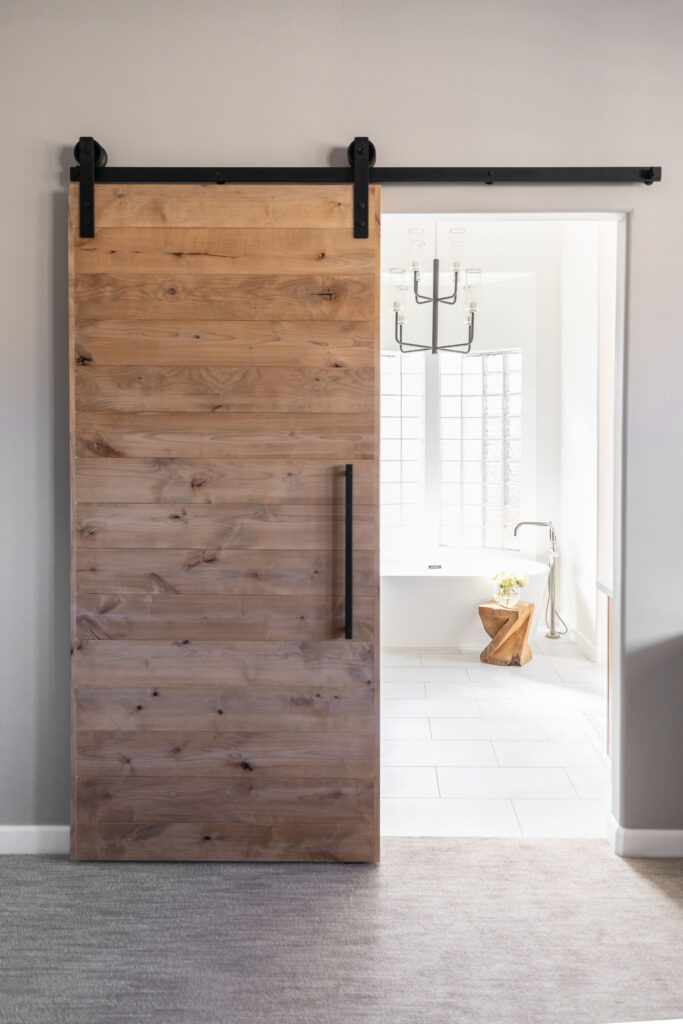
1. Barn Doors: Sliding Style with Statement Appeal
When people think of barn doors, they usually picture a modern farmhouse. But trust us—barn doors have evolved far beyond shiplap and rustic finishes. These doors have become one of our go-to accessible door solution when a swing door won’t cut it, and pocket doors aren’t an option.
Why We Love Barn Doors for Accessibility:
- They slide along the wall, which eliminates the need for clearance space that swing doors require.
- They can be opened and closed with minimal force, making them ideal for those with limited strength or mobility.
- With the right track system and handle placement, they can be made incredibly easy to operate, even from a seated position.
Design Tip: Mix modern materials like steel hardware with natural wood textures for a look that feels timeless rather than trendy. We also recommend installing soft-close tracks to prevent the door from slamming shut and creating a safety hazard.
Accessibility Pro Tip: Make sure to use large, easy-to-grip handles, and avoid recessed finger pulls that are difficult to grasp for those with compromised hand function.
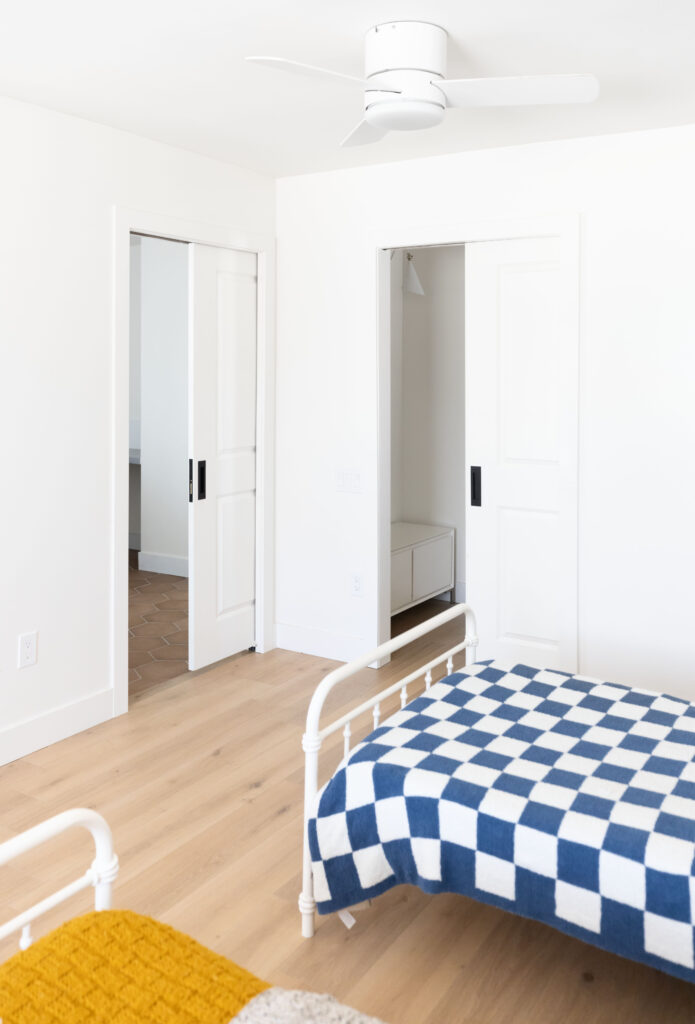
2. Pocket Doors: The Disappearing Act with Big Impact
Pocket doors are the introverts of the door world. They quietly disappear when not in use, creating a clean and seamless transition between rooms. These are especially useful in tighter spaces like bathrooms, pantries, or closets where door swings would interfere with movement or furniture placement.
Why Pocket Doors Work for Accessibility:
- They eliminate the door swing, maximizing usable floor space.
- They create wide, unobstructed openings that are easier to navigate with a wheelchair, walker, or stroller.
- They can be designed to slide with very little resistance, making them manageable even for those with limited grip strength.
The Catch: Pocket doors do require construction. They need space inside the wall to “pocket” into, which means they’re best installed during a new build or full renovation. Retrofitting them into an existing wall is possible—but can get expensive and messy fast.
Hardware Considerations: Standard recessed finger pulls are often hard to use. Instead, opt for accessible sliding door hardware with lever-style or loop handles that are easier to grab and pull.
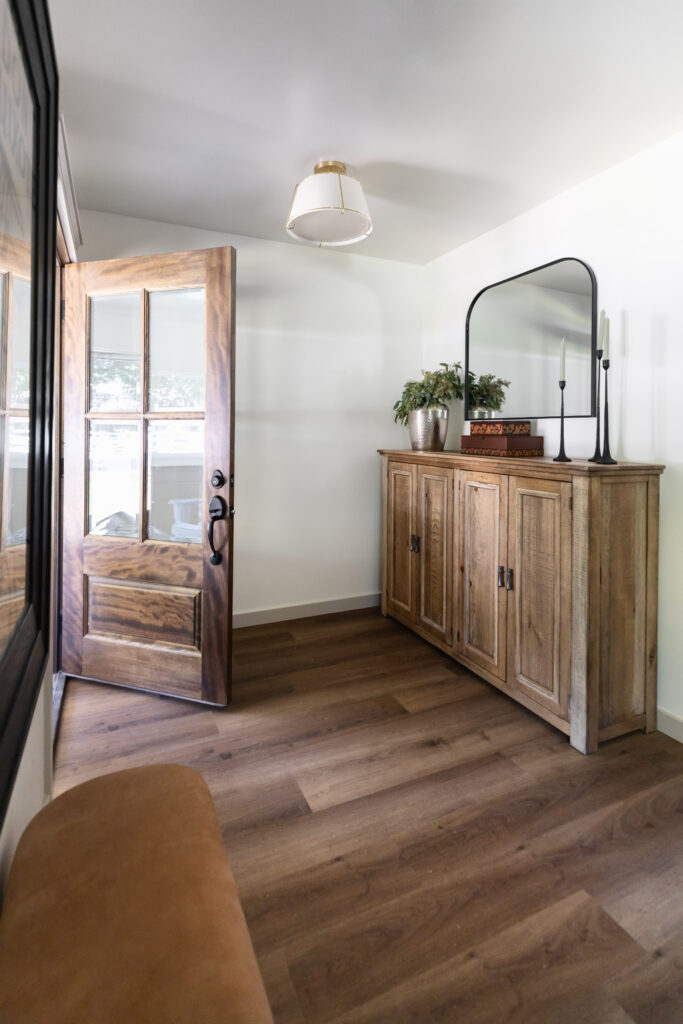
3. Spring Close Doors: A Simple Solution with a Big Payoff
You’ve probably encountered a spring-close door without realizing it. Think about the door leading into a garage or out to a backyard. These are often equipped with spring-loaded hinges that automatically pull the door shut after you pass through.
Why They Matter for Accessibility:
- They eliminate the need to reach back and manually close the door—something that can be nearly impossible when using a mobility aid or carrying items.
- Spring hinges can be adjusted for resistance, allowing the door to close gently without slamming.
- This simple upgrade can be added to almost any existing door with minimal labor and cost.
Installation Tip: Ask your contractor to install 1 to 3 spring hinges, depending on the door’s weight. While it might not be a “standard” request, it’s a totally valid one—especially when it comes to increasing your independence.
Pro Design Insight: These are great accessible door solution for entry doors, garage doors, or even bathroom doors, anywhere you need a little help closing up behind you.
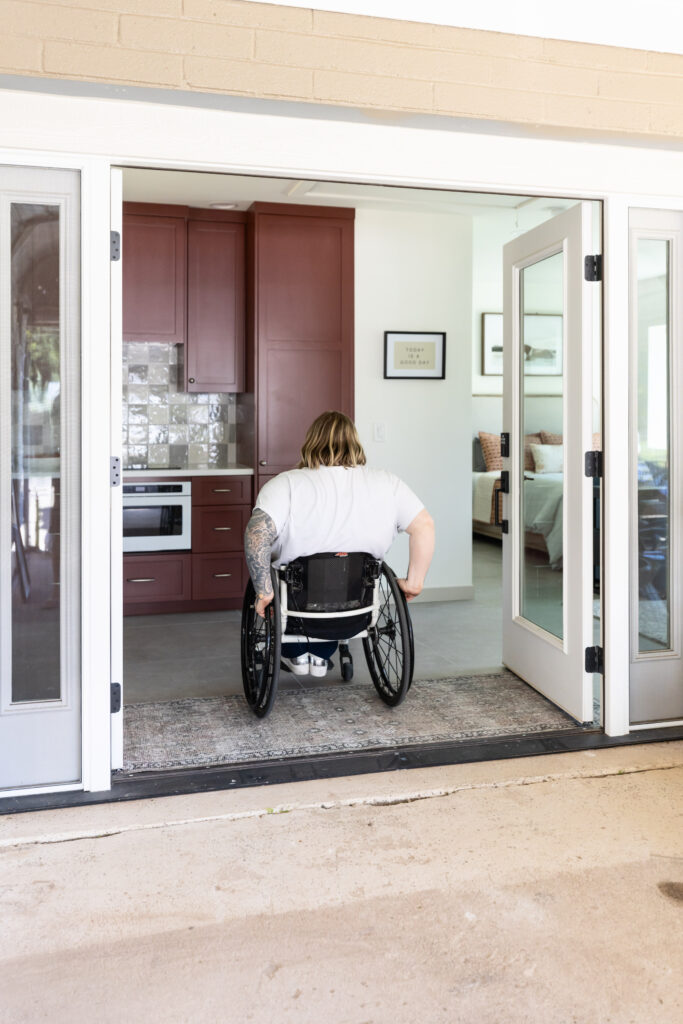
4. Automatic Doors: Ultimate Accessibility for Seamless Living
If you’re ready to bring your home into the future, automatic doors are where it’s at. While commonly associated with commercial buildings, more and more homeowners are installing automatic doors in their private residences, and for good reason. This can be the top tier accessible door solution for those with minimal dexterity.
Why Automatic Doors Are a Game-Changer:
- They allow completely hands-free operation, either with a wall-mounted button, remote control, or even motion sensor.
- They increase independence, especially for people who use wheelchairs or have limited arm movement.
- They reduce the need for complex physical maneuvering, especially in tight spaces.
Types of Residential Automatic Doors:
- Push Button Doors: These are the most common and affordable. A wall-mounted or handheld remote opens the door with one click.
- Motion Sensor Doors: Less common in homes but great for high-traffic zones like hallways or exterior entries.
Automatic systems can be added to swing doors, sliding barn doors, or even custom setups—just make sure to work with a contractor familiar with accessible modifications and power requirements.
Things to Consider:
- These systems need access to power and may require minor electrical work.
- Not all automatic systems are created equal—choose one that is rated for residential use and easy to maintain.
Bonus Tips for Making Any Door More Accessible
Even if you’re not ready to install new doors, there are simple ways to make your current setup more functional:
- Switch to Lever Handles: Lever-style handles are much easier to operate than round knobs, especially for people with arthritis, limited dexterity, or hand paralysis.
- Widen Doorways: If you’re already renovating, widen doorways to a minimum of 36 inches for full wheelchair clearance.
- Install Kick Plates: These metal plates at the bottom of doors help prevent damage from wheelchairs and provide a surface to push open with your foot or mobility aid.
- Use Magnetic or No-Threshold Catches: These help doors stay in place without the resistance of a latch—great for closets or bathrooms.
Final Thoughts: Don’t Let the Door Be a Barrier
Choosing the right door isn’t just about aesthetics. It’s about removing physical and psychological barriers, supporting independence, and making spaces feel welcoming for everyone who enters. At Blue Copper Design, we blend accessibility and beautiful design to create interiors that work for every body—because true inclusivity starts with thoughtful details.
Whether you’re building a new home, remodeling a single room, or planning for the future, door selection is one of the easiest ways to make your home more functional and accessible. And trust us—it’s worth the investment.
Looking for help designing an accessible space that still feels stylish? Schedule a consultation with us and let’s talk doors, details, and design that moves with you—not against you.
Comments Off on Accessible Door Solutions for Every Body