Accessible Apartment Hunting Guide
July 7, 2025
Spoiler alert: An accessible apartment that works for both your lifestyle and your wheelchair does exist. The trick is knowing where and how to look, what to measure, and which rights back you up when a leasing agent raises an eyebrow. Below is a step-by-step guide drawn from our own experience scouting barrier-free homes across the Southwest. We are sharing practical tips, real-world insight, and the legal basics every renter with a disability should know when searching for your accessible apartment. Grab a tape measure and a notebook and let’s get to work.
1. Understand the Legal Backdrop First
Before scrolling through listings or booking tours, ground yourself in the two federal statutes that protect you:
- Fair Housing Act (FHA) – Requires landlords to offer reasonable accommodations and prohibits discrimination based on disability (fha.com)
- Americans with Disabilities Act (ADA) – Sets minimum accessibility standards in common areas of public or mixed-use buildings, and provides leverage when negotiating physical changes inside your unit (frostbrowntodd.com)
Knowing these laws upfront makes the rest of the process less intimidating. You can cite the FHA when asking to lower a closet rod or install grab bars; you can cite ADA standards when gauging hallway widths or elevator specs.
2. Build a No-Compromise Feature List
A clear, ranked list keeps you objective when a leasing agent sings the praises of quartz countertops while ignoring the six-inch step into the lobby.
Core interior features to consider
- Doorways at least thirty two inches wide
- Step free entry to every room
- Turning radius of five feet in kitchens, bathrooms, and bedrooms for smooth chair maneuvering
- Lever handles on doors and faucets
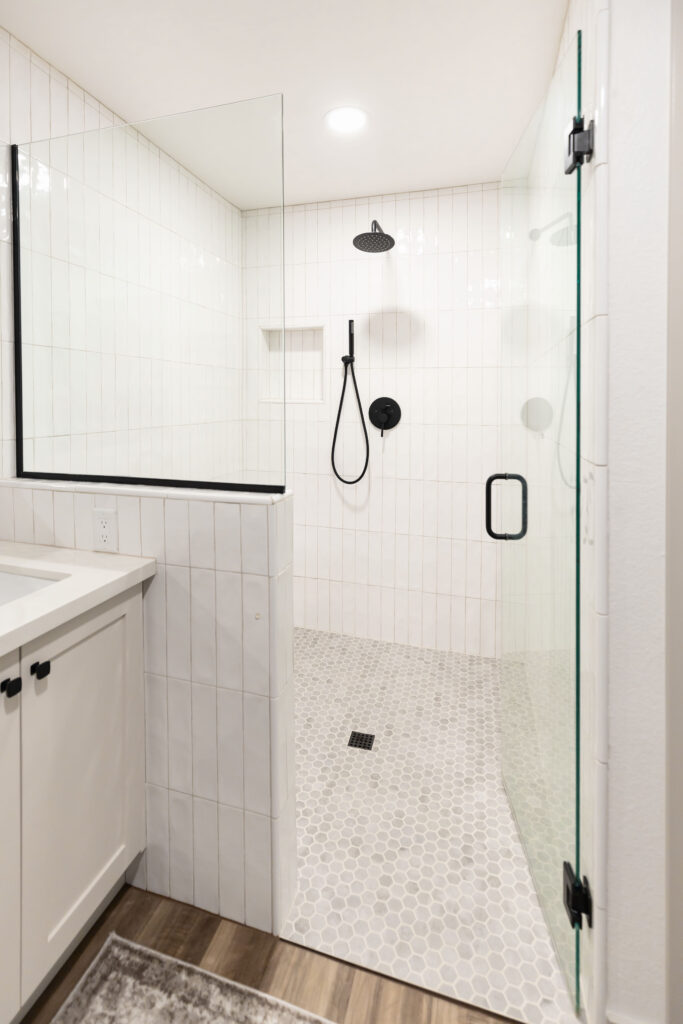
- Bathroom with curbless shower, handheld sprayer, and blocking behind walls for future grab bar installation
- Counters and switches reachable between thirty four and forty eight inches from the floor
Exterior and building amenities
- Grade level parking or van-accessible stalls
- Elevators large enough for both you and groceries
- Smooth sidewalks and curb cuts around the neighborhood
- Mailboxes, package lockers, and trash rooms within comfortable reach
List everything that matters, from pet-friendly grass patches to a pool lift. Treat it as your non-negotiable toolkit whenever you tour.
3. Use Digital Filters Like a Pro
Most large listing platforms now allow keyword or toggle searches for accessible apartment units.
- Apartment List lets you activate an Accessible filter that screens for wheelchair friendly layouts and shows pictures of roll-in showers when available (apartmentlist.com)
- Apartments dot com added expanded filters in late 2024, making it easier to locate wide-doorway or zero-step entries without wading through every floor plan in town (apartments.com)
Pair those filters with the usual city, rent, and bedroom criteria. Save searches and opt into email alerts so new accessible inventory hits your inbox before anyone else sees it.

4. Line Up a Tour and Bring the Tools
No matter how detailed the photos, verify dimensions in person or via video chat.
Essentials to pack
- 25-foot tape measure
- Your written feature list
- Smartphone with video recording (for later review)
- A trusted friend or occupational therapist if you need an extra set of eyes
During the tour, physically measure doorway widths, check transition strips, and test the bathroom turning circle. Roll across lobby flooring to check for thick grout lines or carpet snags. Keep notes on what meets, exceeds, or misses your criteria.
Ask direct questions:
- Can I install temporary ramps indoors if needed
- Will you relocate a mail slot or adjust a thermostat height before move-in
- Who pays for permanent modifications like a roll-in shower pan
Document everything the agent promises in writing and save the emails.
5. Scout the Neighborhood
An apartment might have perfect grab bars inside but sit on a hill with broken sidewalks outside. Walk or roll the block and assess:
- Presence of curb cuts and tactile paving at crosswalks
- Grade of driveways and parking lot surfaces
- Proximity to accessible public transit stops
- Restaurants and coffee shops with no steps and wide aisles
Remember, lifestyle amenities matter too. A favorite brunch spot you can enter independently beats granite counters you can’t reach.
6. Assemble Your Application Packet Early
Accessible units are limited and move fast. Having paperwork ready turns you into the easiest applicant on the table.
Checklist:
- Government issued ID
- Proof of income or assistance letters
- Recent bank statements
- Contact info for current and prior landlords
- Letters of reference if your credit is a little bruised
- Proof of service animal status if applicable (no pet fees allowed under FHA)
Scan everything into a single PDF so you can hit send within minutes of finding the right place.
7. Know How to Request Reasonable Accommodations
Under the FHA you can request changes in rules or physical spaces that give you equal use of the apartment. Examples:
- Reserving a parking spot closest to the elevator
- Installing a video doorbell you can answer from a smartphone
- Permission to replace knob hardware with levers
Put the request in writing, cite the FHA, and attach any supporting notes from a medical provider if the landlord asks. They cannot charge extra rent or fees for the accommodation. For permanent modifications, you may have to restore the unit when you leave; negotiate that detail upfront.
8. Budget and Funding Ideas
Modifications should be paid for by your landlord but for other costs like a hoyer lift or new sofa explore options like:
- State vocational rehabilitation grants
- Local Centers for Independent Living funds
- Community development block grants in many cities
- Crowdfunding if timelines are tight
Some landlords will absorb costs once they understand the tax credits and potential property value increase that comes with accessibility improvements.
9. Inspect the Lease With a Highlighter
Scan for any language that contradicts federal law, such as blanket prohibitions on alterations or vague fees tied to adaptive equipment. Strike and initial these clauses or request an addendum. If the management company refuses, walk (roll) away. There will be another door that opens.
10. Final Walkthrough Checklist
Before signing, do one more walk(roll)-through:
- Verify clear floor space under sinks and cooktop
- Confirm threshold heights at balcony or patio doors
- Ensure the bedroom allows a side transfer onto the bed without moving walls
- Test all appliance controls for reachable positioning
- Take photos of conditions for your records
If anything differs from what was promised, pause the signing until it is corrected or memorialized in a written plan.
Conclusion: The Accessible Apartment Is Out There
Searching for an accessible apartment can feel like a full-time job, but armed with the right feature list, legal knowledge, and measuring tape, you can navigate the process with confidence. Remember that landlords must meet reasonable requests and that virtual tours and advanced filters now shorten the hunt.
When you find the place that checks every box, you will have created more than just housing; you will have claimed a personal headquarters for an independent life.
If you need tailored advice or would like a design professional to join you on video while you tour, Blue Copper Design is only a call away. We have rolled these corridors ourselves and are ready to help you roll into your next chapter.
Need help bringing your new apartment to life? Contact us today!
Comments Off on Accessible Apartment Hunting Guide